HR transformation isn’t putting a new dashboard on old HR processes. It’s redesigning the work itself.
For two decades, most “transformation” programmes followed the same script: replace the HRIS, digitise the forms, add self-service, launch a dashboard. The processes underneath stayed largely the same. AI breaks that model. When intelligent agents can draft job descriptions, screen candidates, answer policy questions and recommend pay decisions, the question is no longer which system runs HR? It is how should work be designed, and who owns that design?
From “people person” to Chief Workforce Architect
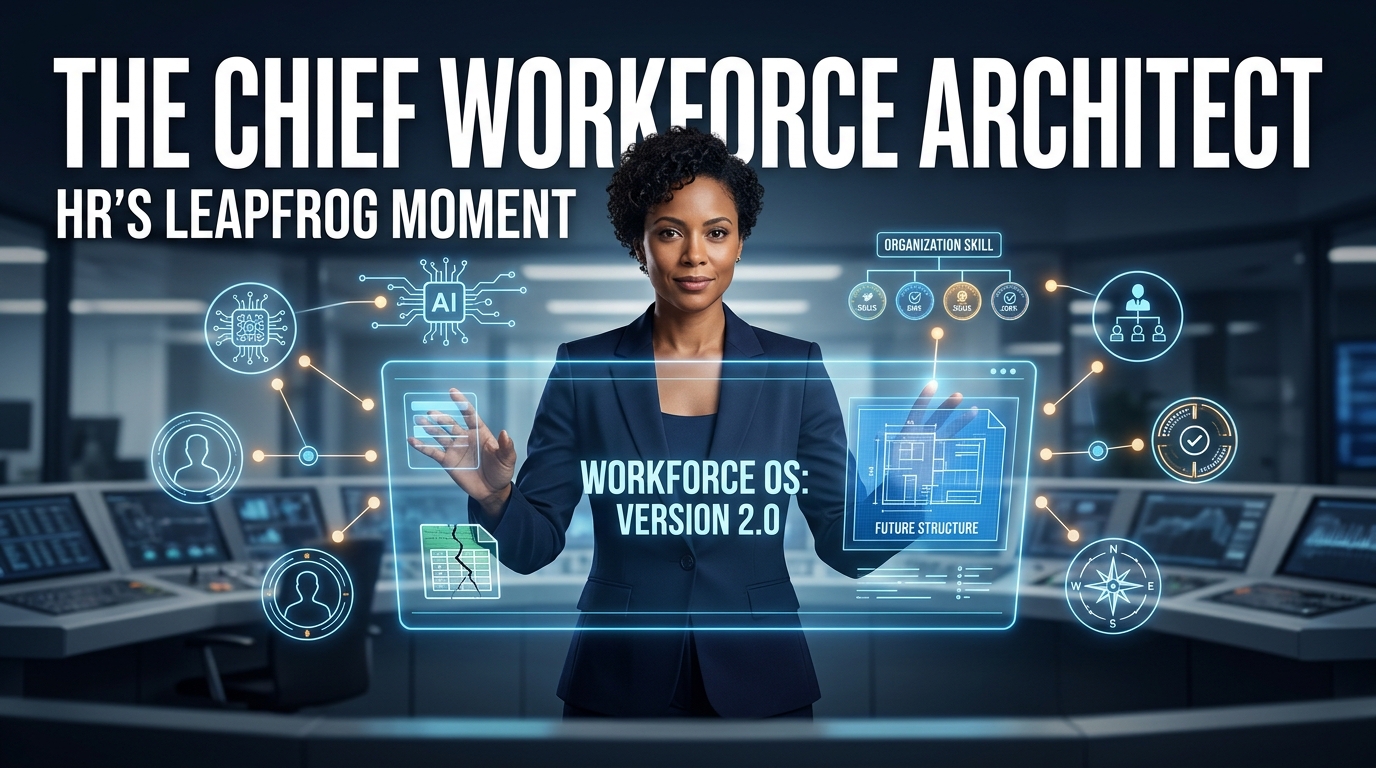
The forward-thinking CHRO is no longer just the leader who approves leave policies and defends the annual engagement survey. They are becoming the Chief Workforce Architect: the person who connects AI, skills, job design, culture and accountability into one workforce operating system.
That role has five design responsibilities:
- Work design: breaking jobs into tasks and deciding which are done by people, by AI, or by both together.
- Skills architecture: a shared skills taxonomy that hiring, learning, mobility and pay all use.
- Data and integration: one trusted source of worker, job and skills data flowing cleanly between HCM, payroll, ATS, LMS and finance.
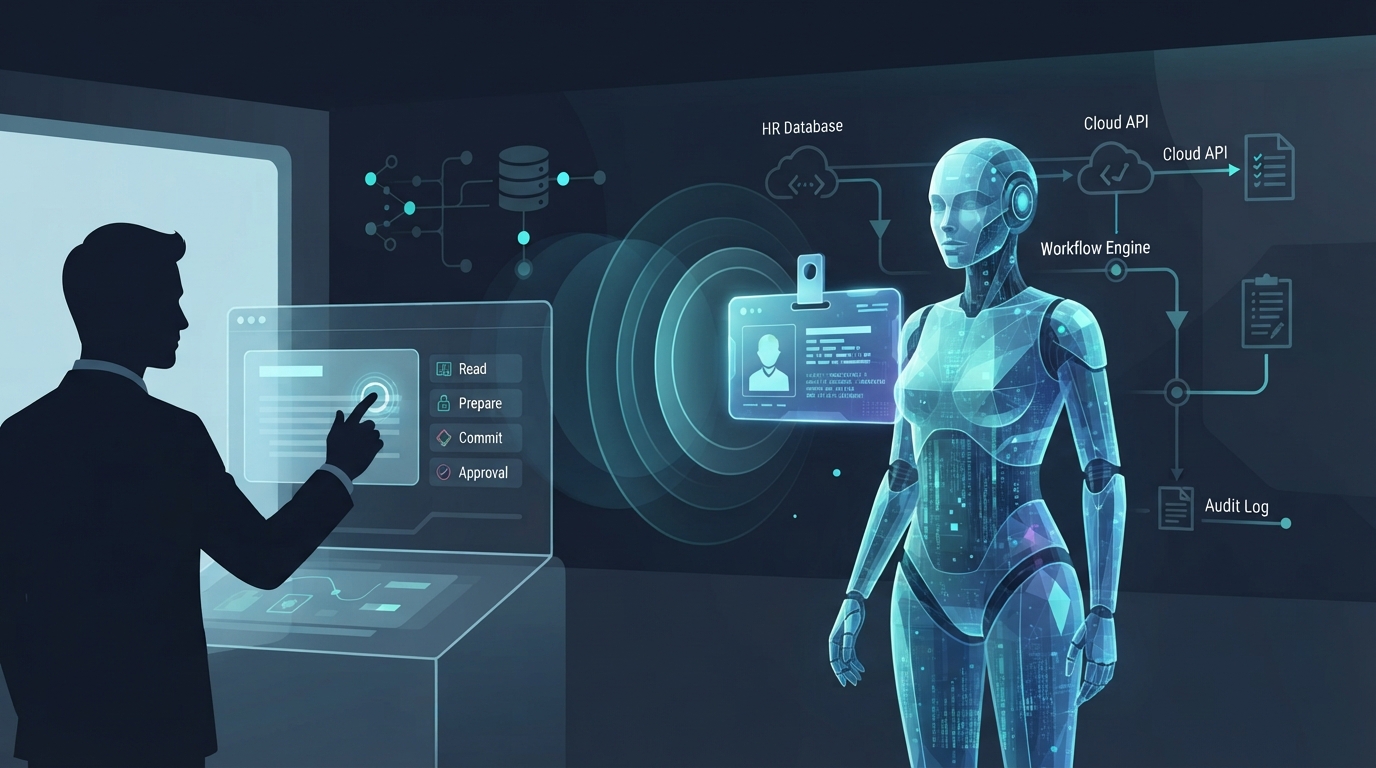
- Governance: clear rules for how AI is used in people decisions, who is accountable, and how bias and privacy are managed.
- Culture and change: helping managers and employees work alongside AI rather than around it.
The uncomfortable truth: automating chaos faster
Many organisations are using AI to automate chaos faster. A broken approval chain with an AI assistant on top is still a broken approval chain — it just fails at greater speed and scale.
Gartner research (October 2026) highlights the alignment gap: only 38% of CHROs and CIOs share an understanding of how AI will affect the future of work, while 92% of CHROs expect greater AI integration in workforce operations. Ambition is high; shared understanding is low. That gap is where transformations stall.
From an integration standpoint, the symptoms are familiar: duplicate employee records across systems, job architectures that differ between HCM and payroll, skills data trapped in the LMS, and point-to-point interfaces nobody fully owns. AI models trained or prompted on that data inherit every inconsistency.
The leapfrog move: redesign before you automate
The leapfrog move is not “buy more HR tech.” It is redesigning the operating model before the robots inherit your broken processes. In practice, that means:
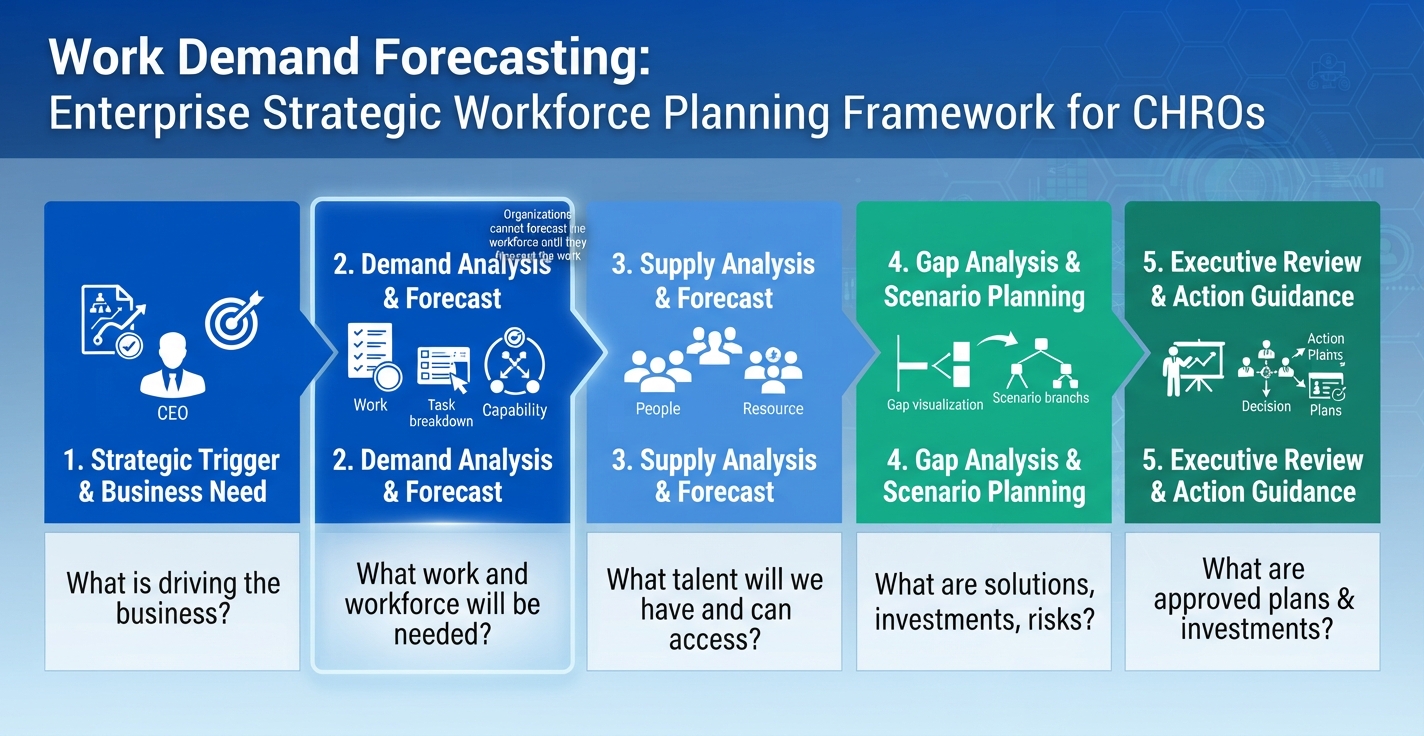
- Map work, not just processes. Start with the outcomes each role delivers and the tasks behind them before choosing where AI fits.
- Fix the data foundation. Agree a single job and position structure, a common skills language and clear system-of-record ownership for every core data object.
- Build an integration backbone. Replace fragile point-to-point feeds with governed, event-driven or API-led integration so AI and analytics draw from the same truth.
- Align the CHRO and CIO on one roadmap. Shared goals, shared metrics and a joint AI governance forum — not two parallel agendas.
- Pilot, measure, scale. Pick a few high-volume, well-understood processes, redesign them end to end, prove the value, then expand.
Questions every CHRO should be able to answer
- Which tasks in our largest job families could AI take over or augment within two years?
- Do we have one trusted view of our workforce and their skills?
- Who is accountable when an AI-supported people decision goes wrong?
- Do our CHRO and CIO describe the future of work the same way?
The bottom line
HR transformation in the AI era is an architecture problem as much as a technology one. The CHROs who win will be the ones who design the workforce operating system first — work, skills, data, governance and culture — and then let technology accelerate it. Everyone else will simply automate yesterday’s chaos.